
Finding Zen: The Ultimate Guide to Stays and Monasteries Near Boudhanath Stupa
A slow traveler's guide to Boudha — quiet monastery guest houses, stupa-view apartments, ROKPA's mission-driven sanctuary, and what the booking apps don't tell you about water, power and the kora.
If you stay in Thamel, Kathmandu will feel like a city that never sleeps, driven by the hum of motorbikes and the energy of late-night rock bars. But if you take a taxi seven kilometers east, past the dusty bottlenecks of the ring road, the air shifts. The heavy scent of diesel exhaust is replaced by the sweet, thick aroma of burning juniper incense, butter lamps, and freshly baked Tibetan bread.
You have entered Boudha, the spiritual heart of Nepal's Tibetan Buddhist diaspora.
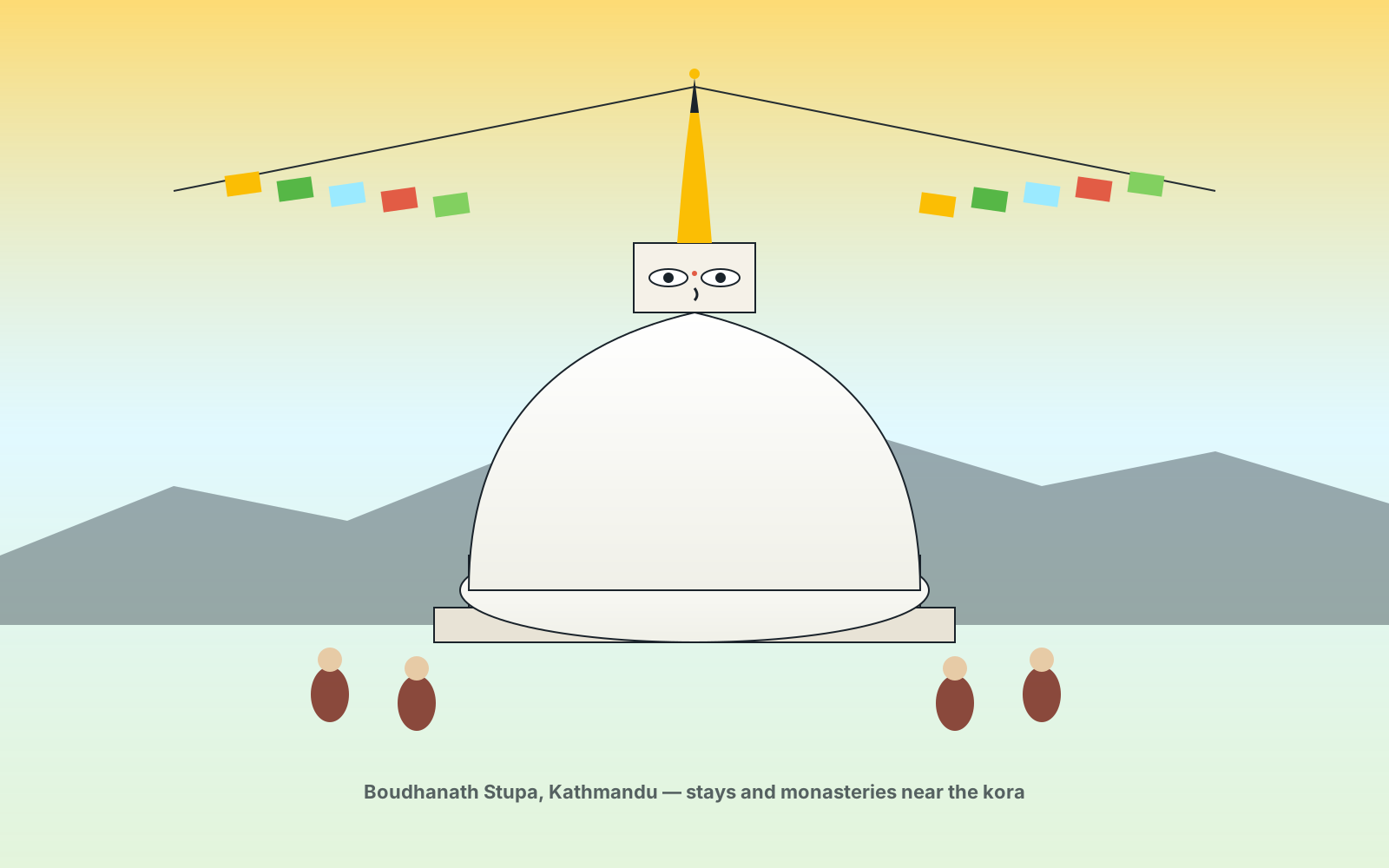
At the center of this neighborhood sits the colossal white dome of the Boudhanath Stupa, its golden spire decorated with the giant, watchful eyes of the Buddha. To visit Boudha is to slow down. It is a neighborhood where daily life is measured not by appointments, but by the steady, clockwise rhythm of the kora — the walking meditation performed by hundreds of Tibetan monks, local residents, and pilgrims who circle the stupa every morning and evening.
If you are a writer, a digital nomad, a yoga practitioner, or simply a traveler looking to rest your soul after a long trek, basing yourself in Boudha is a transformative choice.
However, finding the right place to stay here requires some insider knowledge. From simple rooms hidden inside active monasteries to modern apartments looking directly onto the stupa, here is your guide to finding peace in Boudha.
The Daily Rhythm of the Kora
Before choosing a room, you need to understand how this neighborhood moves. The stupa is not a static monument; it is a living, breathing sanctuary.
As the afternoon sun begins to dip behind the valley hills, the tourist crowds disappear and the real magic of Boudha begins. Hundreds of locals — grandmothers in striped hand-woven aprons holding prayer beads, young monks in maroon robes, and spiritual seekers — gather at the base of the dome. They walk in a continuous, clockwise flow, accompanied by the low, resonant chanting of Om Mani Padme Hum and the steady, metallic clanging of prayer wheels.
Many of the cafes and restaurants encircling the stupa have rooftop balconies where you can sit with a cup of hot lemon-ginger-honey tea and simply soak in this incredible, moving atmosphere. Staying in Boudha means this ritual is right outside your doorstep, giving you front-row access to one of the most peaceful daily experiences in Asia.
Monastic Guest Houses: Simple, Serene, and Silent
For those who want to truly immerse themselves in a contemplative environment, booking a room at a monastic guest house is a rare privilege. These are not hotels; they are quiet properties managed directly by active Buddhist monasteries or nunneries.
1. Shechen Guest House
Tucked away in the quiet, labyrinthine back lanes of Boudha, Shechen Guest House is attached to the active Shechen Monastery. It is widely considered one of the best-run guesthouses in the neighborhood.
- The vibe. Rooms are clean, minimalist, and decorated with traditional Tibetan wooden furnishings. They face a beautifully manicured garden courtyard filled with flowers, completely cut off from the noise of the outside streets.
- The culinary highlight. On-site is the famous Rabsel Café, an exceptional vegetarian restaurant that serves organic pour-over coffee, fresh sourdough, and healthy, locally-sourced meals.
- Logistics. Rooms do not have direct views of the Boudhanath Stupa, but the sheer quality of the peace, service, and quiet surroundings is significantly higher than most view-focused hotels.
2. Dondrub Guest House
If you want to stay in a space that directly supports monastic education, look for Dondrub Guest House.
- The vibe. This quiet property is located up Phulbari Road, nestled directly within the peaceful premises of Khenpo Tsultrim Gyatso Rinpoche's nunnery.
- Logistics. The rooms are basic but spotless, offering a comfortable, respectful, and deeply calm space to rest. You will wake up to the gentle sound of morning chants and temple bells.
3. Lotus Guest House & Apartments
Run directly by the Dabsang Monastery, this is another brilliant option for long-term travelers.
- The vibe. The property features 25 simple guest rooms surrounded by a large, sunny garden.
- The long-stay option. They also manage three beautiful Lotus Apartments, fully furnished with kitchenettes, small living areas, and stoves — perfect for anyone planning to study or write for a month or more.
View Condos and Boutique Lodges
If you want a bit more independence or prefer to wake up to a direct view of the majestic stupa, Boudha's apartment and boutique hotel scene has grown beautifully.
1. Serenity Stays
For those who want an unforgettable view, search on Airbnb for Serenity Stays.
- The vibe. A modern, thoughtfully decorated two-bedroom apartment positioned directly in front of the Boudhanath Stupa.
- The view. Floor-to-ceiling windows and private balconies let you watch the morning kora begin and see the stupa light up at night, all from the comfort of your private living room.
2. ROKPA Guest House
Located less than 200 meters from both the Stupa and the Shechen Monastery, ROKPA is a gorgeous boutique guest house with a deep social mission.
- The vibe. Clean, cozy rooms, a beautiful peaceful garden restaurant, and its own bakery.
- The mission. ROKPA operates as a non-profit, with proceeds directly supporting their on-site children's home and women's training projects. It is a warm, family-friendly sanctuary where your stay has a direct, positive local impact.
Lived-In Realities: What They Don't Tell You on the Booking Apps
Staying in a spiritual enclave like Boudha is incredibly rewarding, but you need to be prepared for the practical realities of local infrastructure.
- The solar hot-water limit. Many guest houses and local homes in Boudha rely strictly on solar panels for hot water. This works beautifully during the sunny spring and autumn months, but during the overcast winter you will only have lukewarm water for a few hours in the afternoon. If you like hot morning showers, always confirm with your host that your room features a solar-plus-electric geyser system.
- The water rule. Like everywhere in Kathmandu, tap water is non-potable. Guesthouses and apartments will typically provide a 20-litre blue drinking-water jar fitted with a manual or electric pump. Use this for drinking and brushing your teeth, and coordinate with your host for a refill if it runs low.
- The commute factor. Boudha is a peaceful sanctuary, but it is located about seven kilometres from the main commercial center of Thamel. While that sounds short, Kathmandu's legendary traffic bottlenecks mean this commute can easily take 30 – 45 minutes by taxi. If you have a busy daily schedule of sightseeing in central Kathmandu or need to make constant trips to trekking agencies, staying in Boudha will feel like a commute. Choose Boudha if you want a true retreat, a slower pace of travel, or a quiet base to write and reflect.
A Slow Traveler's Closing Thought
Boudha is a place that rewards those who stay still.
If you rush through on a day trip, you will likely see a giant white monument, take a few photos, buy a souvenir, and leave — missing the true essence of the neighborhood.
But if you book a room in a monastic garden, wake up early to the sound of low brass horns echoing from monastery roofs, and spend your evenings walking the stone path around the stupa alongside local families, Boudha will settle deep into your bones.
It is a place where you can find complete stillness in the middle of a chaotic valley, and where you will arrive as a transient tourist but leave feeling like family.
<!-- tla:related-reading -->